
Diabetes management has evolved dramatically in the last decade. What once relied on finger-prick testing and fixed insulin schedules is now driven by smart devices, real-time data, and artificial intelligence (AI). These technologies are changing how doctors monitor patients, adjust treatment, and prevent complications.
At AIHMS – Asia’s leading healthcare education platform, we believe every doctor must understand and use these tools effectively. That’s why our PG Diploma in Diabetology includes modern, technology-driven diabetes care as a core part of training.
👉 Know more about AIHMS: https://www.aihms.in
👉 Explore the Diabetology Course: https://www.aihms.in/PG-Diploma-in-Diabetology.html
Why Technology Matters in Diabetes Care
Blood glucose levels change every hour depending on:
• Diet
• Physical activity
• Stress
• Illness
• Medications
Traditional methods only capture a few readings per day. Technology allows continuous monitoring, smarter insulin delivery, and data-driven decision-making—leading to safer and more precise care.
Continuous Glucose Monitors (CGMs): Real-Time Glucose Intelligence
What is a CGM?
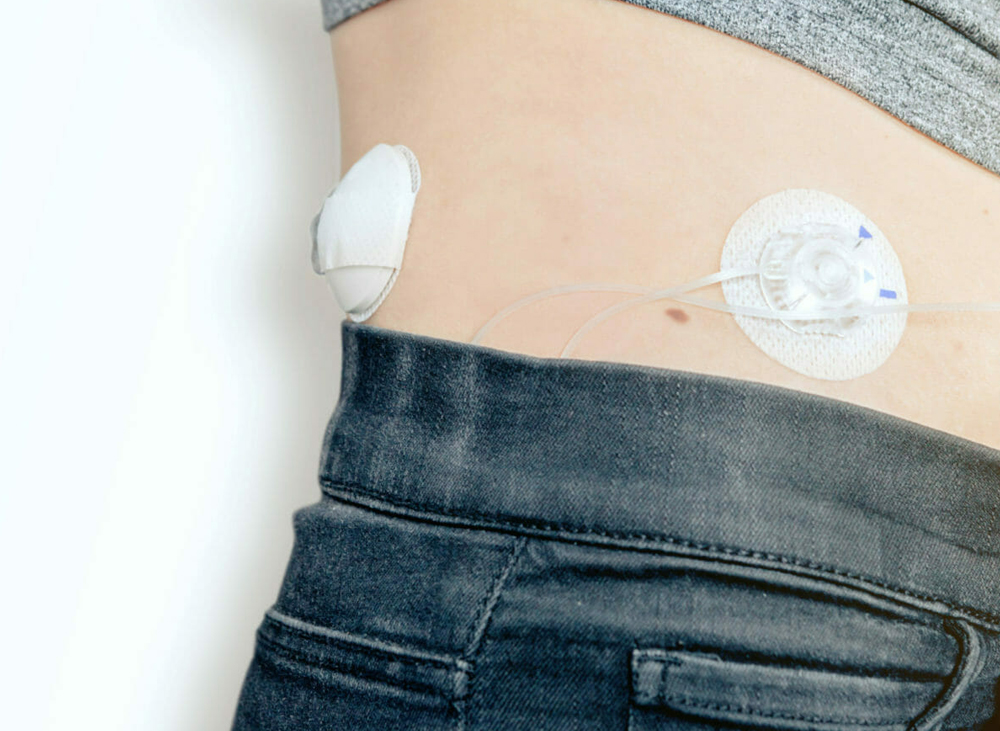
A CGM is a wearable sensor that tracks glucose levels 24/7 and sends readings to a phone or device every few minutes.
Benefits in Clinical Practice
✔ Real-time trends and alerts
✔ Early detection of hypoglycemia & hyperglycemia
✔ Better Time-in-Range (TIR) control
✔ Improved HbA1c outcomes
How Doctors Use CGM Data
• Identify night-time hypoglycemia
• Understand post-meal glucose spikes
• Adjust insulin and oral drugs more precisely
• Educate patients using real data
At AIHMS, doctors learn how to interpret CGM reports and apply them clinically through case-based learning in our Diabetology program.
Insulin Pumps: Smarter, Safer Insulin Delivery
What is an Insulin Pump?
An insulin pump is a compact device that delivers insulin continuously through a small cannula placed under the skin.
Why Pumps Are Game-Changers
✔ Mimic natural insulin secretion
✔ Allow flexible basal & bolus dosing
✔ Reduce glucose variability
✔ Improve patient convenience
Hybrid Closed-Loop Systems
Modern pumps now integrate with CGMs to form automated insulin delivery systems (often called artificial pancreas).
These systems:
• Adjust insulin automatically
• Reduce hypoglycemia risk
• Improve overnight control
Doctors trained through AIHMS Diabetology learn when and how to recommend pumps and manage patients using these systems.
Artificial Intelligence (AI): The Brain Behind Smart Diabetes Care
AI is transforming how data becomes decisions.
Where AI Is Used
• Predicting glucose trends
• Personalizing insulin doses
• Identifying risk of complications
• Supporting clinical judgment
In Real-World Practice
AI tools analyze:
✔ CGM data
✔ Lifestyle patterns
✔ Medication history
Then provide actionable insights to doctors and patients.
This enables:
• Earlier interventions
• Safer therapy
• Better long-term outcomes
Technology in the Doctor’s Daily Practice
With digital tools, doctors can now:
✔ Monitor patients remotely
✔ Conduct tele-consultations
✔ Review CGM & pump data online
✔ Provide continuous care
At AIHMS, we train doctors to combine clinical skills + technology for smarter diabetes care.
Empowering Patients Through Digital Health
Technology makes patients active partners in care:
• They understand their glucose patterns
• They make better lifestyle decisions
• They follow treatment plans more consistently
This improves trust, adherence, and results.
Challenges & the Doctor’s Role
While technology is powerful, it requires:
• Proper training
• Accurate interpretation
• Patient education
• Ethical and cost-aware use
That’s why structured learning through a program like PG Diploma in Diabetology at AIHMS is essential.
Conclusion
CGMs, insulin pumps, and AI are no longer optional—they are essential tools in modern diabetes care.
They help doctors:
⭐ Detect problems early
⭐ Personalize treatment
⭐ Prevent complications
⭐ Improve quality of life
👉 If you want to practice future-ready diabetes care, AIHMS is your trusted learning partner.
