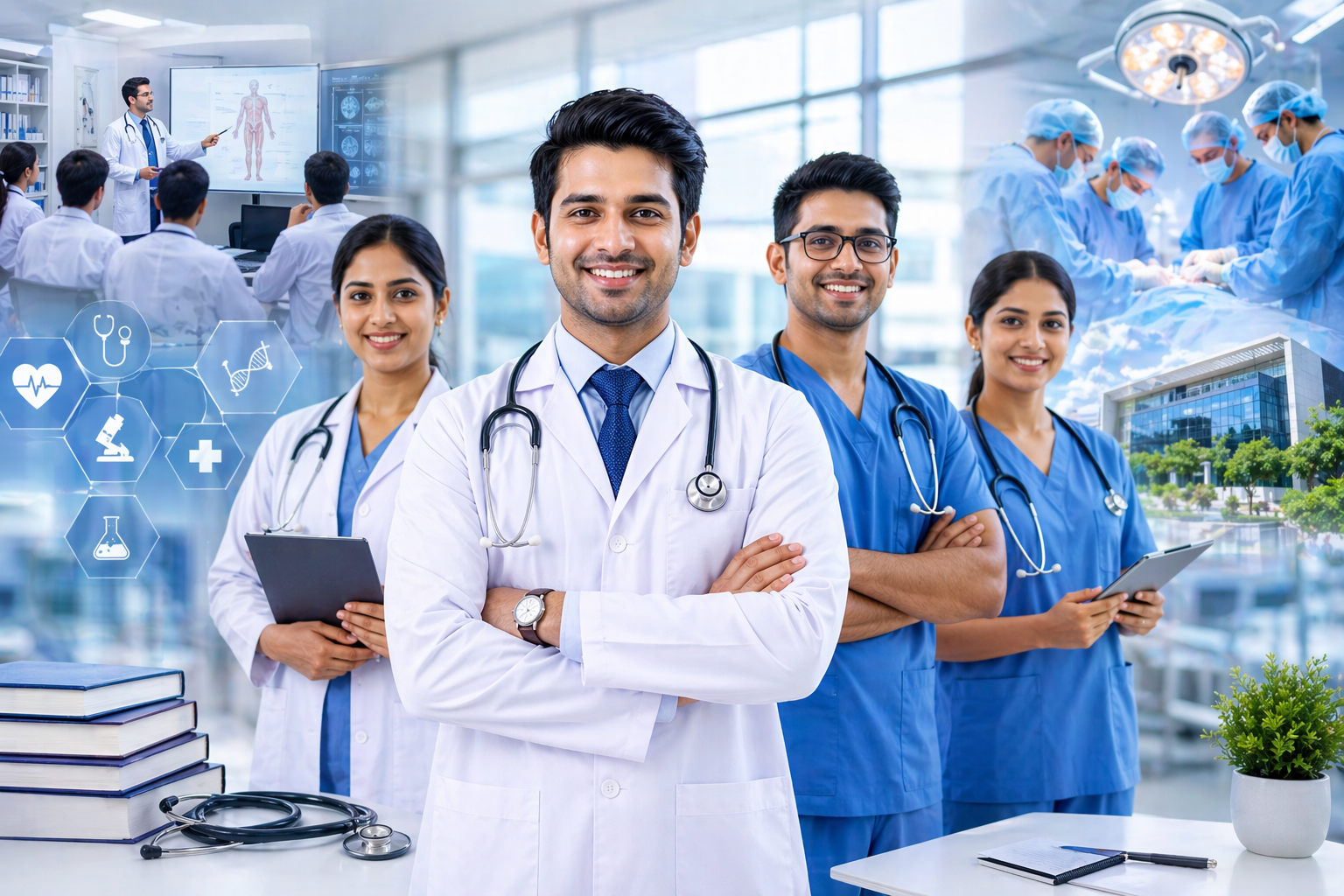
Healthcare today demands more than basic qualifications. Doctors and healthcare professionals must continuously upgrade their clinical knowledge, strengthen decision-making skills, and adapt to modern treatment systems. In this rapidly evolving medical environment, choosing the right specialization course plays a crucial role in shaping a successful and stable career.
Athar Institute of Health and Management Studies (AIHMS) provides career-focused medical training programs designed to help doctors enhance both clinical competence and healthcare leadership abilities. These programs support professionals who want to expand their expertise without interrupting their practice.
Explore programs here:
https://www.aihms.in
Why Clinical Excellence Matters in Modern Healthcare
Clinical excellence is not only about diagnosing diseases correctly. It also includes patient communication, long-term disease management, preventive healthcare planning, and coordination with multidisciplinary teams.
Doctors who upgrade their knowledge through structured specialization programs can:
• improve treatment outcomes
• manage chronic diseases effectively
• expand patient trust
• strengthen clinic reputation
• access better hospital opportunities
• grow professionally in competitive healthcare environments
This is why short-duration medical specialization courses are becoming increasingly important across India.
PG Diploma in Diabetology: Strengthening Chronic Disease Management Skills
Diabetes is one of the fastest growing health concerns in India. Doctors trained in diabetology are better prepared to manage complex metabolic disorders and prevent long-term complications among patients.
The diabetology program helps doctors develop expertise in:
• insulin therapy planning
• lifestyle disease management
• complication prevention strategies
• obesity and metabolic syndrome care
• long-term diabetes monitoring
Course details:
https://www.aihms.in/PG-Diploma-in-Diabetology.html
This specialization significantly improves confidence while treating high-volume diabetes cases in everyday clinical practice.
Masters in Public Health (MPH): Expanding Impact Beyond Individual Patients
Public health professionals contribute to improving healthcare systems at community and national levels. Doctors trained in public health become capable of managing disease prevention programs and supporting healthcare policy implementation.
The MPH program prepares professionals for roles in:
• epidemiology and outbreak control
• maternal and child healthcare programs
• vaccination initiatives
• rural healthcare planning
• healthcare research projects
Learn more:
https://www.aihms.in/masters-in-public-health.html
Public health specialization allows doctors to influence population-level healthcare improvements.
Masters in Hospital Administration (MHA): Building Healthcare Leadership Skills
Modern hospitals require trained professionals who understand both medicine and management systems. Hospital administration training prepares doctors for leadership roles inside healthcare organizations.
Through this program, professionals learn:
• hospital operations management
• patient safety systems
• quality improvement frameworks
• healthcare resource planning
• accreditation process understanding
Course details:
https://www.aihms.in/masters-in-hospital-administration.html
Hospital administration specialization supports career growth into managerial and executive healthcare roles.
Family Medicine Programs: Strengthening Primary Healthcare Expertise
Family medicine plays a central role in building strong primary healthcare systems. Doctors trained in family medicine become capable of managing patients across all age groups and disease conditions.
This specialization supports:
• comprehensive outpatient care
• chronic disease follow-up
• preventive healthcare planning
• pediatric and geriatric care
• long-term family health management
Family medicine training improves both clinic-based practice and community healthcare engagement.
Fellowship in Critical Care Medicine: Enhancing Emergency Response Capability
Critical care medicine training helps doctors manage high-risk patients in emergency and ICU environments. This specialization strengthens life-saving decision-making skills during complex medical situations.
Doctors benefit by learning:
• ventilator support techniques
• emergency stabilization protocols
• ICU monitoring strategies
• sepsis management
• trauma response planning
Such expertise improves hospital-based career opportunities significantly.
Nursing and Patient Care Training Programs: Supporting Healthcare Delivery Systems
Efficient healthcare systems depend on skilled nursing and patient care professionals. Training programs in patient care strengthen the healthcare workforce and improve hospital service quality.
These programs focus on:
• bedside patient assistance
• infection control practices
• hospital workflow coordination
• emergency response support
• patient safety awareness
Healthcare institutions increasingly prefer trained professionals who understand structured patient care systems.
Why AIHMS Is a Trusted Choice for Medical Career Advancement
Athar Institute of Health and Management Studies provides structured programs designed specifically for working healthcare professionals across India.
Key advantages include:
• practical and career-focused curriculum
• flexible learning structure
• specialization aligned with healthcare demand
• guidance from experienced faculty
• programs suitable for both clinical and administrative career paths
AIHMS supports professionals who want to upgrade their careers without stepping away from clinical responsibilities.
Choosing the Right Medical Specialization Course at AIHMS
Selecting the right program depends on your long-term career goals.
Doctors interested in strengthening clinical expertise may choose:
• Diabetology
• Family Medicine
• Critical Care Medicine
Doctors planning leadership or healthcare system roles may choose:
• Hospital Administration
• Public Health
Each specialization contributes uniquely toward building clinical excellence and professional stability.
Conclusion
Clinical excellence begins with the right learning environment and structured specialization training. Programs offered at AIHMS help doctors and healthcare professionals strengthen their expertise, improve patient outcomes, and expand career opportunities across clinical practice, healthcare leadership, and public health systems.
Choosing the right specialization today can define the success of your medical career tomorrow.
