
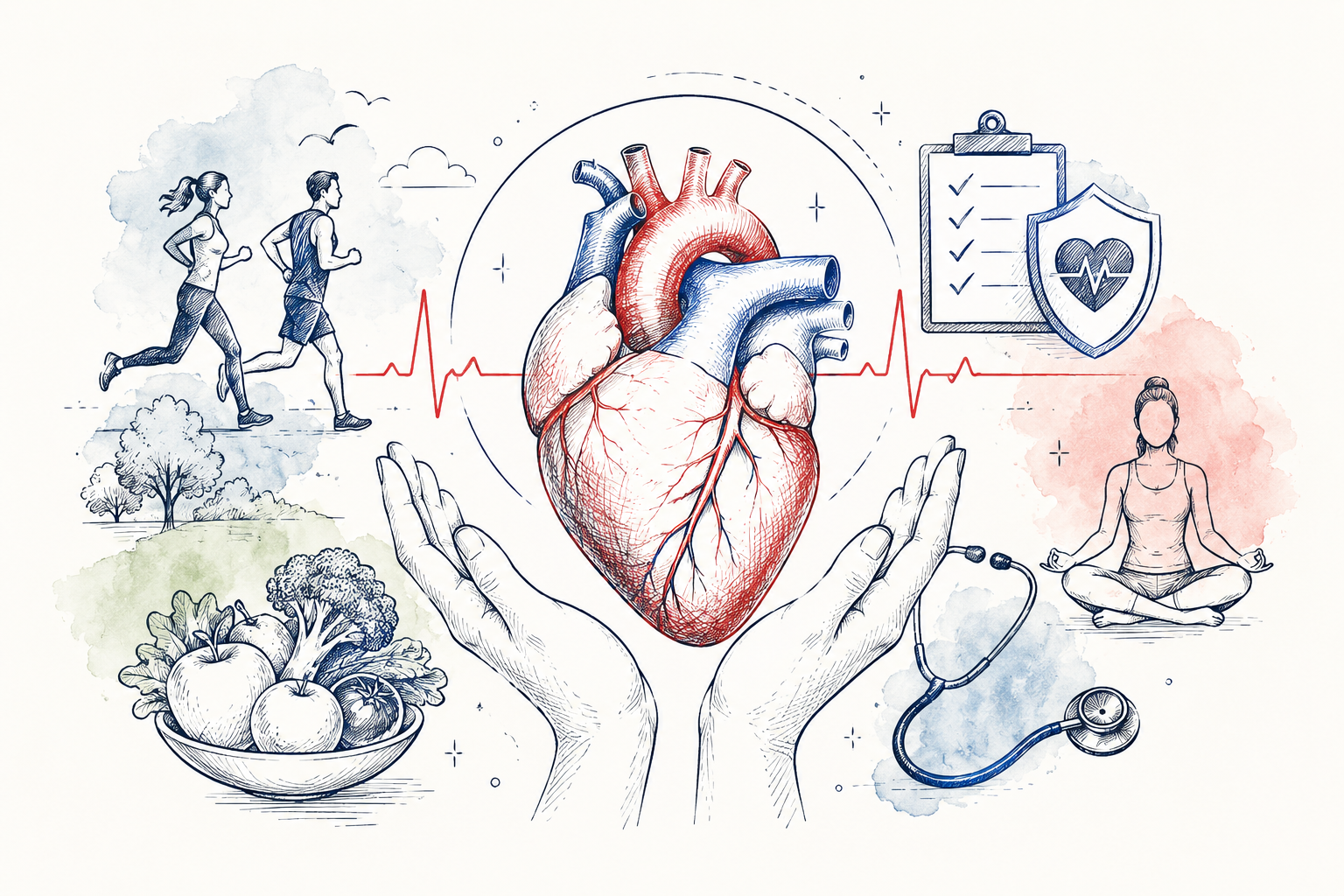
Heart disease is no longer a problem of old age.
Across India, doctors are seeing a worrying trend—people in their 30s and 40s are being diagnosed with hypertension, coronary artery disease, obesity, diabetes, and other cardiovascular conditions at an alarming rate. Sedentary lifestyles, unhealthy diets, stress, smoking, and lack of preventive healthcare have created a silent epidemic that continues to grow every year.
While treatment remains essential, healthcare is gradually shifting toward prevention. Hospitals, clinics, corporate health programs, and wellness centers are increasingly looking for professionals who can identify cardiovascular risks before they become life-threatening conditions.
This growing need has created a significant demand for specialists trained in Preventive Cardiology.
For MBBS doctors, junior doctors, and medical students exploring future career opportunities, this field offers both professional growth and the chance to make a meaningful impact on public health.
India’s Rising Cardiovascular Disease Burden
India is often referred to as the “heart disease capital” of the world. Cardiovascular diseases account for a large percentage of deaths across the country, affecting urban and rural populations alike.
Several factors are contributing to this increase:
- Rising prevalence of diabetes
- Increasing obesity rates
- Tobacco and alcohol consumption
- Chronic stress and mental health issues
- Lack of regular health screening
- Sedentary lifestyles
- Poor dietary habits
The concerning reality is that many patients develop cardiovascular disease gradually over years without noticeable symptoms. By the time they seek medical care, significant damage may already have occurred.
This is exactly where preventive cardiology professionals play a crucial role.
What Is Preventive Cardiology?
Preventive Cardiology is a specialized branch of medicine focused on reducing the risk of cardiovascular diseases before they occur or progress.
Instead of waiting for a heart attack, stroke, or severe cardiac complication, preventive cardiology aims to identify risk factors early and intervene proactively.
A preventive cardiology specialist helps patients by:
- Assessing cardiovascular risk profiles
- Managing hypertension and diabetes
- Guiding lifestyle modifications
- Promoting weight management
- Advising on smoking cessation
- Monitoring lipid disorders
- Educating patients about heart health
The goal is simple: prevent disease, improve quality of life, and reduce healthcare costs.
Why Healthcare Is Shifting Toward Prevention
Healthcare systems around the world are recognizing that prevention is more effective and economical than treatment alone.
Treating advanced cardiac disease often requires:
- Long-term medications
- Frequent hospital visits
- Angioplasty procedures
- Cardiac surgeries
- Intensive rehabilitation
In contrast, early intervention can significantly reduce the risk of major cardiovascular events.
This shift is creating opportunities for doctors who possess specialized training in preventive cardiovascular care.
Hospitals are increasingly developing preventive cardiology clinics. Corporate organizations are investing in employee wellness programs. Insurance providers are encouraging preventive healthcare initiatives.
All of these developments are generating demand for trained professionals.
Why Doctors Are Choosing Preventive Cardiology
Many MBBS graduates today are looking for pathways that allow them to build expertise without waiting years for super-specialization.
A structured program in preventive cardiology provides focused knowledge and practical skills that can be applied immediately in clinical practice.
Doctors are choosing this field because it offers:
1. Growing Patient Demand
Patients are becoming more health-conscious than ever before.
People want guidance on:
- Preventing heart disease
- Managing cholesterol
- Improving fitness
- Controlling blood pressure
- Reducing cardiovascular risk
This creates a steady need for trained professionals.
2. Better Clinical Confidence
A doctor trained in preventive cardiology develops a deeper understanding of cardiovascular risk assessment, patient counseling, and preventive interventions.
This enhances everyday clinical decision-making.
3. Expanded Career Opportunities
Preventive cardiology knowledge can be valuable in:
- Hospitals
- Multispecialty clinics
- Primary care settings
- Corporate healthcare programs
- Wellness centers
- Telemedicine platforms
- Preventive health check-up units
4. Contribution to Public Health
Few medical fields allow doctors to impact such a large number of lives before disease develops.
Preventive cardiology combines clinical medicine with population health, making it highly rewarding professionally and socially.
Why the Future Looks Bright for Preventive Cardiology Specialists
The future of healthcare is moving toward prediction, prevention, and personalized care.
Several trends support the growth of preventive cardiology:
Digital Health Expansion
Wearable devices, health apps, and remote monitoring technologies are helping patients track cardiovascular health in real time.
Doctors trained in preventive cardiology are well-positioned to interpret this data and guide patients effectively.
Increase in Lifestyle Disorders
Diabetes, obesity, and metabolic syndrome continue to rise in India. Since these conditions are closely linked to cardiovascular disease, the need for preventive specialists will continue to grow.
Corporate Wellness Programs
Organizations are investing heavily in employee health initiatives to reduce absenteeism and improve productivity.
Preventive cardiology professionals are becoming valuable contributors to these programs.
Greater Public Awareness
Patients today actively seek information about prevention rather than waiting for illness to occur. This cultural shift is creating a long-term demand for preventive healthcare experts.
How a PG Diploma in Preventive Cardiology Can Help
For doctors who want specialized training, a structured academic program can provide the foundation needed to excel in this evolving field.
The PG Diploma in Preventive Cardiology helps learners gain knowledge in:
- Cardiovascular anatomy and physiology
- Risk factor assessment
- Preventive strategies
- Lifestyle medicine
- Hypertension management
- Lipid disorders
- Diabetes and cardiovascular risk
- Clinical cardiology fundamentals
- Patient counseling techniques
Such training equips doctors with practical skills that can be applied in everyday practice and specialized preventive healthcare settings.
Why Choose AIHMS for Preventive Cardiology Education?
Healthcare professionals looking for quality postgraduate medical education often seek institutions that combine academic rigor with practical relevance.
At AIHMS, programs are designed to address the evolving needs of modern healthcare professionals. The curriculum focuses on developing competencies that can be directly applied in clinical settings.
Doctors interested in advancing their expertise can explore the educational opportunities available through AIHMS at https://www.aihms.in.
Those specifically interested in building a career in cardiovascular prevention can learn more about the PG Diploma in Preventive Cardiology program at https://www.aihms.in/PG-Diploma-in-Preventive-Cardiology.html.
Is Preventive Cardiology the Right Choice for You?
You should seriously consider this field if you:
- Are an MBBS doctor seeking specialization
- Want to build expertise in cardiovascular prevention
- Enjoy patient education and counseling
- Believe prevention is as important as treatment
- Want career opportunities beyond traditional clinical practice
- Aim to contribute to reducing India’s cardiovascular disease burden
As healthcare continues to evolve, doctors who can prevent disease—not just treat it—will become increasingly valuable.
Final Thoughts
India’s growing burden of cardiovascular disease has created an urgent need for healthcare professionals who can identify risks early, guide lifestyle changes, and prevent serious cardiac complications before they occur.
This is why Preventive Cardiology is emerging as one of the most relevant and future-focused areas of medical practice today.
For medical students, junior doctors, and practicing physicians, gaining specialized knowledge in this field can open new career opportunities while making a real difference in patient outcomes.
Ready to Build Expertise in Heart Disease Prevention?
If you’re looking to strengthen your clinical skills and become part of the next generation of heart health specialists, explore the PG Diploma in Preventive Cardiology offered by AIHMS and take the next step toward a rewarding and future-ready medical career.
